How to Use Leftover Vegetables in Drunken Noodles
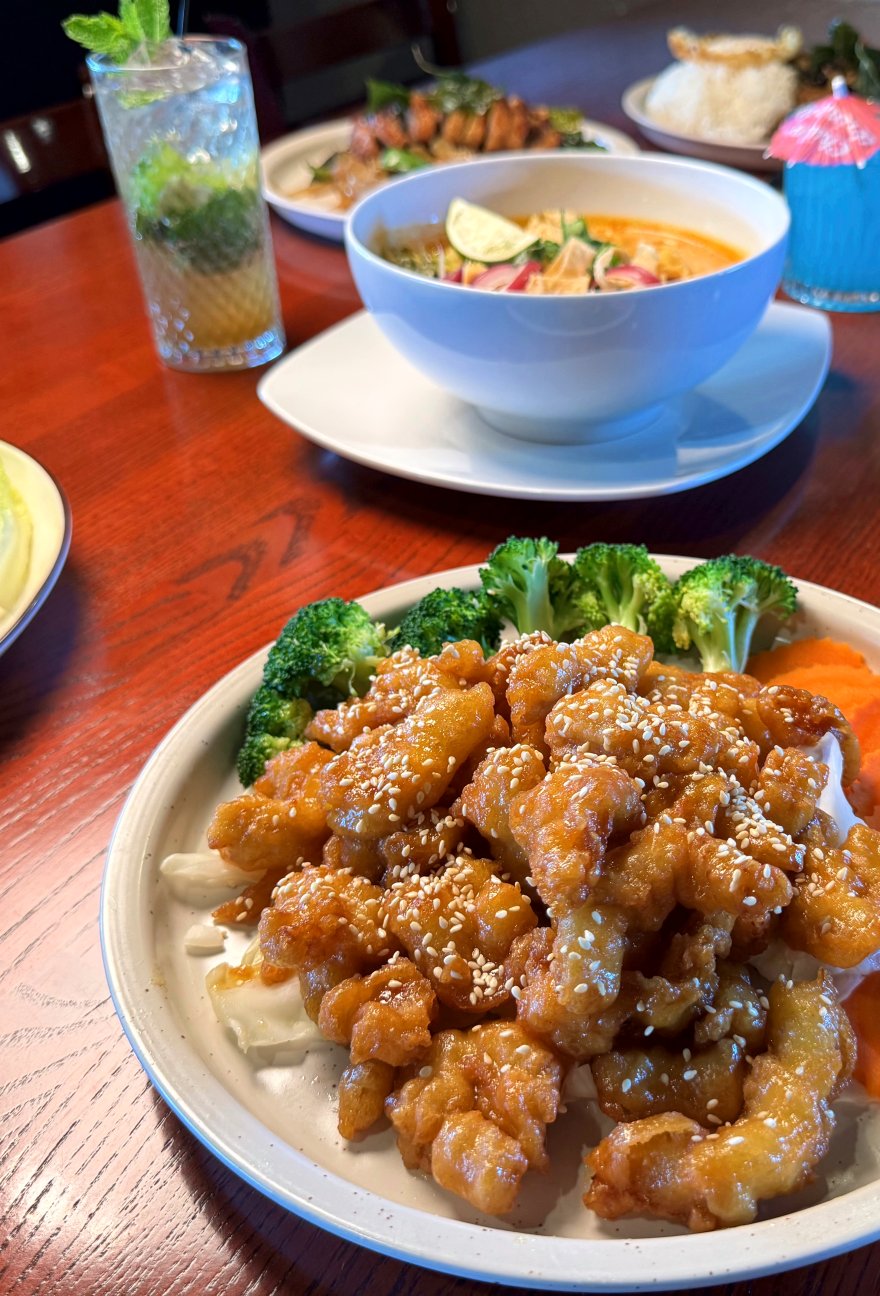
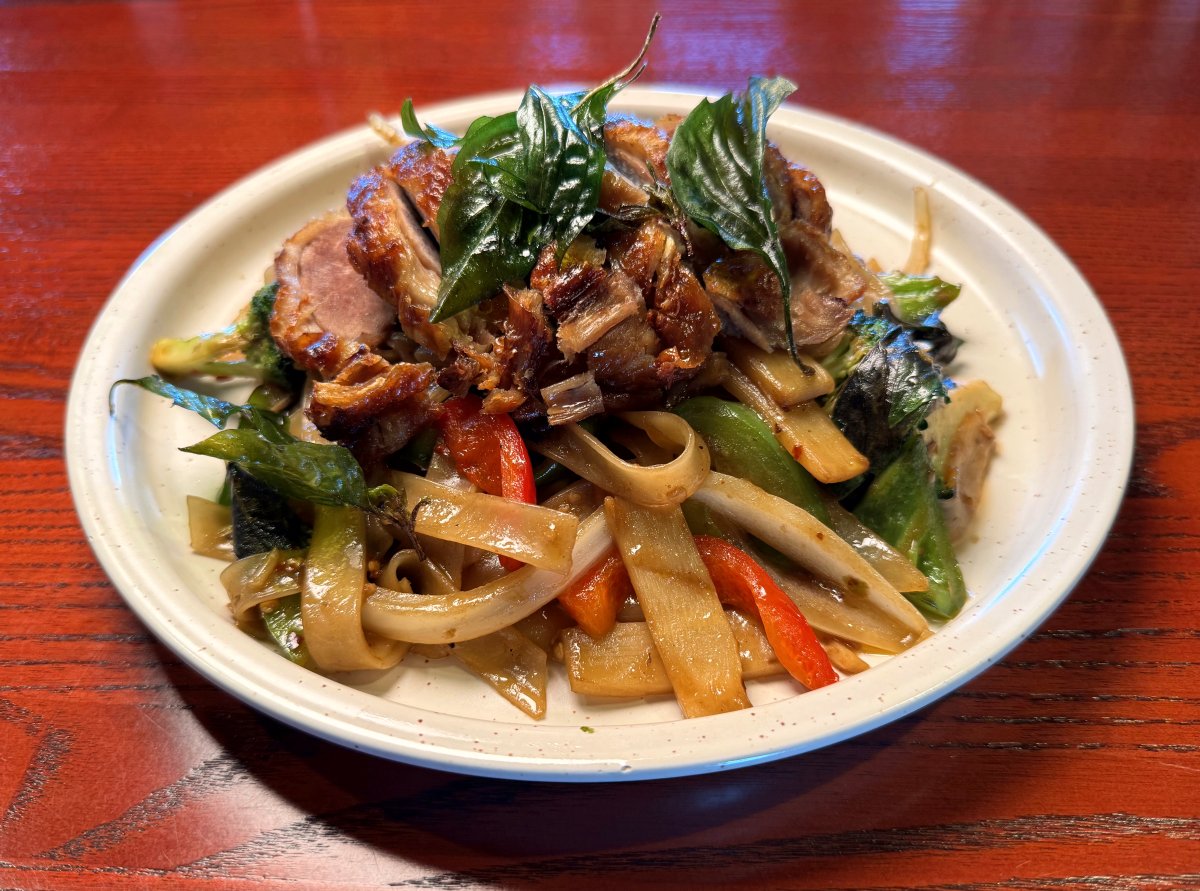

Drunken Noodles are one of the smartest places to use up vegetables that are sitting in the crisper drawer a day or two past their prime. The dish is bold, fast, and forgiving. Strong aromatics, a salty sweet savory sauce, fresh herbs, and high heat do a lot of the heavy lifting, which means slightly tired bell peppers or a half bunch of broccoli can still become dinner instead of compost.
That flexibility is not an accident. Good Drunken Noodles, often known for their broad rice noodles, basil, chiles, and deep wok flavor, thrive on contrast. You want slippery noodles, crisp edges, tender greens, and pockets of heat. Leftover vegetables naturally bring that mix because they rarely match perfectly. One container might hold a handful of mushrooms, a few green beans, and half an onion. Another might have roasted zucchini from last night. This dish welcomes that kind of kitchen reality.
The trick is not simply tossing everything into a pan and hoping the sauce sorts it out. Some vegetables release a lot of water. Some need a head start. Some are better added at the very end so they stay bright. Once you understand how to group what you have, leftover vegetables stop feeling like scraps and start acting like ingredients.
What makes Drunken Noodles such a good clean-out-the-fridge meal
A lot of stir fries claim to be versatile, but Drunken Noodles are especially good at absorbing odds and ends because the flavor profile is assertive and the cooking time is short. That matters. A long braise exposes every weakness in an aging vegetable. A hot wok or skillet, on the other hand, can char, blister, and wake things up before they collapse.
The noodles also matter. Broad rice noodles have enough body to stand up to mixed textures and strong sauce. They do not disappear under vegetables the way a finer noodle might. Even when the ratio shifts because you are trying to use up produce, the dish still feels intentional.
Then there is basil. Fresh basil does more than add fragrance. It bridges flavors that might otherwise clash. Carrots, cabbage, bok choy, snap peas, and eggplant do not naturally taste like they belong in the same bowl, yet basil and chile can pull them into a coherent dish. That is one reason restaurant cooks and home cooks alike reach for Drunken Noodles when they need a practical, flavorful dinner without a rigid formula.
Start by sorting your vegetables by how they cook
When people say stir fry is fast, what they often leave out is that the prep does the real work. If your vegetables hit the pan in the wrong order, the result is easy to predict. Snow peas turn limp while carrots stay raw. Mushrooms steam instead of brown. Greens vanish into the sauce.
Before the stove even comes on, sort leftover vegetables into rough cooking categories. Hard vegetables like carrots, broccoli stems, and cauliflower need more time. Medium vegetables like bell peppers, onions, green beans, and mushrooms can handle the middle of the cook. Tender vegetables and greens, such as spinach, bok choy leaves, bean sprouts, and herbs, should go in late.
This sounds simple, but it is the single step that makes leftover-heavy Drunken Noodles taste thought through rather than improvised. In professional kitchens, this is second nature. At home, it is the difference between a lively noodle dish and a pan of soft vegetables tangled with noodles.
If the leftovers are already cooked, the logic changes slightly. Roasted vegetables, sautéed greens, and grilled squash do not need true cooking. They need reheating and, ideally, a chance to pick up a little char or sauce without breaking apart. That means they should usually go in after the sauce and close to the end.
Which leftover vegetables work best
Not every vegetable performs equally well in Drunken Noodles, but many more work than most people expect. Cabbage is one of the strongest candidates because it softens quickly while keeping some chew. Broccoli, especially when sliced small, works beautifully because it catches sauce in all its crevices. Mushrooms add savoriness, almost like a supporting stock ingredient. Bell peppers and onions give sweetness and structure. Green beans hold up under high heat and stay pleasantly firm.
Leafy greens can be excellent, too, especially bok choy, Chinese broccoli, spinach, and even kale if sliced very thin. The stronger the green, the more it benefits from the sauce and basil. Kale is not traditional, but a small amount can work if you treat it as an accent rather than the main event.
Zucchini is more temperamental. It tastes good, but it can flood the pan if overcooked. Eggplant can be wonderful, especially if it was previously roasted, though raw eggplant tends to drink oil and needs careful cooking. Corn, peas, and sweet potatoes push the dish in a sweeter direction. They are not wrong, but they require a little judgment so the final bowl still tastes balanced.
A practical rule from years of cooking mixed-vegetable noodle dishes is this: vegetables with some firmness or absorbency tend to shine, while very watery vegetables need restraint.
The vegetables that need a little caution
Some leftovers can make Drunken Noodles soggy or muddy if used carelessly. Cucumbers are rarely worth it. Lettuce wilts into very little and contributes more water than flavor. Roasted beets can dominate the whole pan with sweetness and color. Large chunks of potato tend to feel heavy next to slippery rice noodles.
This does not mean those ingredients can never be used. It means they ask for edits. Potatoes would need to be crisped separately and used sparingly. Beet greens are more useful than the beets themselves. Watery vegetables should be salted, drained, or simply saved for another meal.
The biggest risk is not “wrong flavor.” It is moisture. When people say their homemade Drunken Noodles lack restaurant character, too often the problem is a crowded pan full of damp ingredients. The noodles then steam, the sauce thins out, and the basil loses its punch.
Fresh noodles, dried noodles, and what to do with each
If you can get fresh wide rice noodles, use them. They are tender, elastic, and closest to what most people expect in Drunken Noodles. They often come stuck together in sheets or folded bundles. Separate them gently, sometimes with a few seconds of warmth or a touch of oil if needed.
Dried rice noodles are completely acceptable, but they require more attention. The common mistake is boiling them until fully soft before stir frying. That leaves no room for the pan to finish the job. You want them just pliable enough to bend and separate, then cool them briefly so they do not continue cooking.
If your noodles break or clump a bit, do not panic. Once they hit the sauce, many small flaws disappear. A home version with a few torn noodles can still taste excellent. Texture matters more than visual perfection.
The sauce should support the vegetables, not drown them
The core flavor profile of Drunken Noodles usually leans on soy sauce, oyster sauce, fish sauce, sugar, and often a dark soy for color. Some cooks add a little water or stock, and some add a touch of vinegar. The exact balance varies, but the principle stays the same. The sauce should coat the noodles and vegetables in a glossy layer, not pool at the bottom of the bowl.
Leftover vegetables affect that balance. Mushrooms release liquid. Roasted vegetables sometimes carry oil. Greens collapse and shed moisture. Because of that, I usually mix the sauce slightly stronger than I would for a cleaner, more standard batch. Not necessarily saltier, just more concentrated. That way the flavor survives the extra vegetable content.
A practical home ratio for two generous servings is often in the range of 2 to 3 tablespoons soy sauce, 1 to 2 tablespoons oyster sauce, 1 to 2 teaspoons fish sauce, and 1 to 2 teaspoons sugar, adjusted based on how many vegetables you are adding and how salty your soy sauce is. If your leftovers include sweet vegetables such as roasted carrots or onions, reduce the sugar slightly. If they include bitter greens, keep the sweetness where it is.
A smart way to prep the vegetables you have
The best version of this dish often comes from cutting unlike vegetables into sizes that let them cook at roughly the same speed. That means not treating every leftover as a chunk from the container. A thick broccoli floret might need to be split small. Green beans should be cut on the diagonal. Carrots do better shaved thin or sliced into coins no thicker than a few millimeters. Mushrooms can stay a bit larger because they shrink fast.
Uniformity is less important than compatibility. You are not building a composed salad. You are trying to help everything arrive at the finish line together.
Here are the prep decisions that usually pay off most:
- Slice hard vegetables thin so they can stir fry quickly.
- Keep watery vegetables in larger pieces so they lose less moisture.
- Separate stems from leaves on greens and cook them at different times.
- Pat roasted or sautéed leftovers dry if they seem oily or damp.
- Tear basil at the last minute so it stays aromatic.
Those five adjustments sound minor, but they fix most of the problems people run into when using leftovers.
Timing matters more than authenticity debates
There is a lot of unnecessary anxiety around dishes like this. People worry whether using carrots instead of Chinese broccoli makes the dish inauthentic, while overlooking the fact that they steamed the whole pan and dulled every flavor. Respect for a dish is important, but so is cooking it well with what you have.
What matters most is managing the sequence. Start with aromatics like garlic and chile in hot oil. Add the vegetables that need the longest cooking time. Follow with medium vegetables that can blister https://citysquares.com/b/nakhon-luang-thai-kitchen-27989267 or soften quickly. Add noodles and sauce when the pan still has energy. Finish with tender vegetables and basil once the noodles are coated and nearly done.
That sequence gives each ingredient what it needs. It also keeps the wok or skillet from becoming overloaded too early. If you have a smaller pan, it is often wiser to cook in two batches than to cram everything in at once. Home stoves rarely have the raw power of restaurant burners, so crowding is punished quickly.
Using raw leftovers versus cooked leftovers
Raw leftover vegetables are usually easier because they still have structure. They can be cut to size and introduced in stages. Cooked leftovers need a gentler touch. A roasted cauliflower floret is already tender. A sautéed spinach bundle is already wilted. If these go in too early, they disappear.
My usual approach is to build the dish as if the cooked vegetables were garnish with benefits. I stir fry the aromatics, cook any raw vegetables first, then add noodles and sauce. Only after the noodles are mostly coated do I fold in cooked leftovers to warm through. This keeps the vegetables recognizable and preserves whatever flavor they already developed from roasting or browning.
There is one exception worth noting. Leftover roasted mushrooms and onions can go in earlier because they often improve with a little extra pan time. Their edges darken, their moisture cooks off further, and they contribute depth to the sauce.
When the leftovers are close to the edge
Not every vegetable in the fridge is equally fresh. Drunken Noodles can rescue a lot, but they cannot revive spoilage. If a vegetable smells sour, feels slimy, or has visible mold, it belongs in the trash. Stir frying does not undo food safety problems.
For vegetables that are simply tired, not bad, a little triage helps. Limp carrots can be sliced thin. Wrinkled peppers can still taste fine once cooked. Broccoli with dry cut ends may only need trimming. Wilted greens can often be refreshed in cold water for 10 to 15 minutes, then dried well.
This is where experience matters. The question is not “Can I technically cook this?” It is “Will this improve the dish?” A bowl of Drunken Noodles should taste vibrant, not dutiful. If a vegetable contributes only fatigue, skip it.
Heat, char, and the difference between stir fried and stewed
Drunken Noodles should taste alive. Part of that comes from heat in the chile sense, but part comes from heat in the cooking sense. A ripping hot pan creates the slight char, smoke, and edge that make noodles feel restaurant-like.
To get there at home, dry your vegetables as much as possible. Use a large skillet or wok. Preheat the pan properly. Add oil only when the pan is ready. Keep things moving, but not so constantly that nothing makes contact long enough to brown.
One habit that helps is resisting the urge to pour in all the sauce immediately. If you let vegetables and noodles get a little color first, then add the sauce, you get better flavor and less steaming. The pan sounds different, too. You want a lively sizzle, not a wet hiss.
Basil is not optional in spirit, even if you improvise the type
Traditional versions often use Thai basil, which has a peppery, slightly anise-like quality that stands up well to chile and oyster sauce. If you have it, use it. If you do not, regular Italian basil is still far better than skipping basil altogether.
Fresh basil changes the whole character of the dish. It lifts sweet vegetables, balances salty sauce, and cuts through richness. When using a fridge-cleanout assortment, basil is often what makes the bowl feel unified rather than random.
Add it late, just long enough to wilt and perfume the pan. Overcooked basil fades fast.
A practical blueprint for two generous servings
There is no single formula, but a reliable home pattern looks like this. Start with around 8 ounces of wide rice noodles and 3 to 4 cups of mixed vegetables after trimming and slicing. That can sound like a lot, but vegetables collapse. Use 2 to 3 cloves of garlic, as much chile as you like, a couple handfuls of basil, and your sauce mixture ready beside the stove.
Cook hard vegetables first for a minute or two, depending on how thin they are sliced. Add medium vegetables and let them blister or soften. Push everything around quickly so the garlic does not burn. Add the noodles and give them a moment to separate. Then add the sauce and toss until glossy. Fold in greens or cooked leftover vegetables at the end, followed by basil. The whole pan often comes together in well under 10 minutes once the prep is done.
That timeline is why Drunken Noodles are so useful on a weeknight. It is also why hesitation causes trouble. Have everything cut, measured, and within reach before you turn on the stove.
Combinations that work especially well
Some vegetable combinations consistently outperform others. Broccoli, mushroom, and red pepper make a balanced, reliable pan because you get crunch, savoriness, and sweetness. Cabbage, green bean, and onion create a slightly humbler but deeply satisfying bowl with excellent texture. Roasted eggplant with bok choy and basil leans silkier and richer, especially if the sauce is kept fairly sharp and not too sweet.
One combination I return to when the fridge looks sparse is carrot, cabbage, and spinach. On paper it sounds ordinary. In practice, it works because the carrot brings sweetness, the cabbage keeps texture, and the spinach melts into the sauce. Add enough garlic and chile, and it punches far above its weight.
How to fix common problems mid-cook
Even experienced cooks need small corrections. If the pan looks wet, give it another minute over high heat before adding more sauce. If the noodles seem dry or stuck together, a tablespoon or two of water can loosen them better than extra oil. If the dish tastes flat, it usually needs one of three things: more fish sauce or soy for depth, a touch more sugar for balance, or fresh basil for aroma.
If the vegetables overtake the noodles and the bowl starts reading as sautéed vegetables with noodles rather than Drunken Noodles, the fix is often simple. Add a few more noodles if you have them, or reduce the vegetables more aggressively next time. The sauce should cling to noodles first and vegetables second.
Making leftovers taste intentional
The best use of leftovers never feels like a compromise. It feels like a cook made smart decisions. That comes down to contrast, restraint, and confidence. Contrast means mixing textures so everything is not soft. Restraint means not forcing every scrap into the pan. Confidence means cutting, staging, and seasoning with a clear point of view.
Drunken Noodles reward that approach. They are generous enough to absorb a motley mix of vegetables, but they still respond to craft. High heat, thoughtful prep, strong sauce, and basil at the end can turn a refrigerator of half-used produce into something vivid and satisfying.
When people talk about reducing food waste, the conversation often drifts into virtue and thrift. Those matter, but taste matters more if you want the habit to stick. A bowl of properly made Drunken Noodles does not feel like making do. It feels like exactly what dinner should have been.
Nakhon Luang Thai Kitchen
Address: 805 Village Center Dr, Colorado Springs, CO 80919
Phone number: +17195315175
FAQ About Drunken Noodles
What makes it drunken noodles?
Drunken noodles, or Pad Kee Mao, get their name from the Thai word khi mao (meaning "drunkard"). They contain no alcohol. The name comes from the idea that the dish is a popular late-night meal to cure a hangover or a great food to eat with a cold beer.
What is the difference between pad see ew and drunken noodles?
While both Pad See Ew and Drunken Noodles use the same wide rice noodles, Pad See Ew is a mild, sweet-savory dish made with dark soy sauce and Chinese broccoli, whereas Drunken Noodles (Pad Kee Mao) are fiery, garlicky, and herbaceous with fresh chilies and Thai basil.
What are traditional drunken noodles?
Traditional drunken noodles, known as Pad Kee Mao in Thai, are a fiery, savory street food stir-fry made with wide flat rice noodles, fresh garlic, lots of hot chilies, meat or tofu, and fragrant holy basil. Despite the name, they contain no alcohol; the dish is traditionally eaten late at night or as a hangover cure because the intense spice helps clear the head.