Late-Night Drunken Noodles Near Me: Where to Go After Dark
There is a specific kind of hunger that shows up after 10 p.m. It is not the polite, daylight kind that can be settled with a salad or a sandwich. It is louder than that, a little reckless, and usually craving heat, salt, chew, and comfort all at once. That is exactly where a good plate of drunken noodles earns its reputation.
If you have ever typed Drunken Noodles Near Me into your phone while standing under a neon sign, leaving a concert, finishing a late shift, or trying to recover from a long night out, you already know the challenge. Not every Thai spot serves them well. Not every kitchen keeps the wok hot enough close to closing time. And not every restaurant that promises late-night food understands what people actually want after dark.
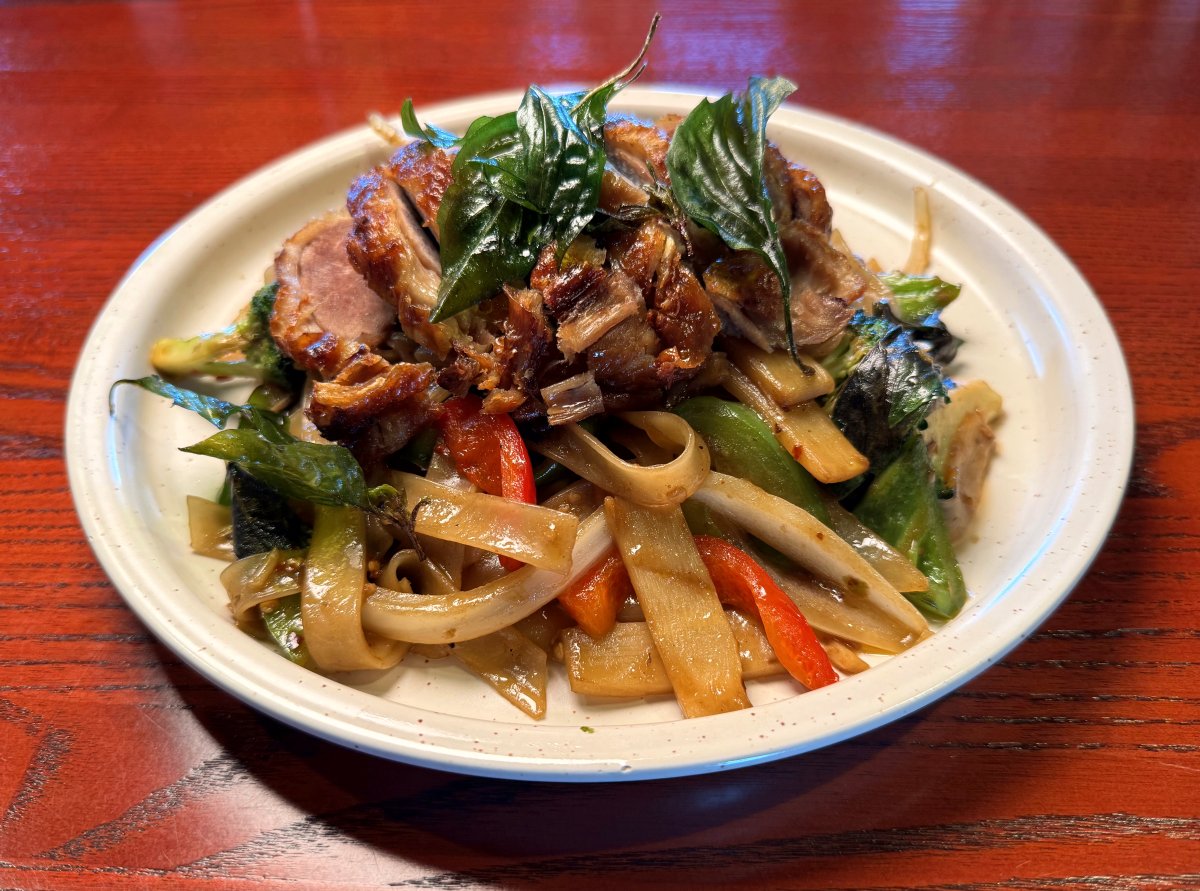
A proper Drunken Noodle should arrive with presence. The noodles need gloss and char. The basil should hit your nose before the plate lands. The sauce should cling rather than pool. Spice should feel deliberate, not lazy. When it is good, the dish tastes like it was built for midnight. When it is bad, it turns into a sweet, oily tangle that makes you wish you had gone anywhere else.
Finding the right place takes a little judgment. Over the years, I have learned that the best late-night noodle runs are rarely accidents. They come from knowing what to look for, when to order, and how to read a menu before you waste time and money.
Why drunken noodles work so well after dark
Drunken noodles, often made with wide rice noodles, Thai basil, chile, garlic, soy-based seasoning, and a choice of protein, sit in a sweet spot between comfort food and wake-up call. They are substantial without being as heavy as deep-fried bar food. They have enough spice to cut through a tired palate. They reheat better than many late-night options. And they carry smoky wok flavor in a way that still feels satisfying even when eaten out of a takeout container on the passenger seat.
The dish also handles customization well, which matters more at midnight than people admit. If you need extra vegetables because the rest of the evening has been nothing but fries and wings, a decent kitchen can do that. If you want tofu because beef feels too rich that late, it works. If you need the spice dialed down because you are hungry but not trying to sweat through your shirt, that is usually possible too.
Late-night dining changes the way a dish is judged. At 6:30 p.m., people notice balance and plating. At 12:30 a.m., they notice whether the noodles are stuck together, whether the chicken is dry, and whether the first bite tastes alive. Drunken noodles tend to score well because they are built on bold contrasts. Soft noodles, crisp vegetables, fragrant basil, sharp chile, savory depth. Even when you are tired, you can taste the difference.
What to expect from a place worth visiting late
A restaurant serving great drunken noodles at lunch is not automatically great after midnight. The late shift reveals a lot about a kitchen. Some places keep standards high right to the last order. Others coast.
One of the most reliable signs is consistency in the wok. Wide rice noodles need quick, hot cooking. If the pan is not hot enough, the noodles steam instead of sear. That is how you end up with a pale, limp plate where everything tastes flat. Good late-night spots know this and do not treat noodle dishes like an afterthought.
Another clue is the smell when you walk in. A room that carries garlic, basil, and toasted sauce is usually a better bet than a room that smells mostly like fryer oil. The menu matters too, but not in the way people think. A giant menu with sixty dishes can be fine if the kitchen is experienced, but very large menus often mean the late-night orders are spread too thin. If the place is known for wok-fired noodles, stir-fries, and fast turnover, your odds improve.
Look at who else is there. Cooks from nearby restaurants, rideshare drivers, hospital staff, musicians loading out after a set, bartenders after closing, students with no fear of spice, these are all good signs. People who work odd hours learn quickly where food still tastes like someone cared.
The difference between decent and excellent drunken noodles
A mediocre plate usually fails in predictable ways. The sauce is too sweet, the vegetables are cooked into surrender, and the basil is either missing or barely noticeable. Sometimes the noodles are chopped too short or clumped into one block. Sometimes the protein is clearly precooked and reheated without much thought. You can still eat it, especially when you are exhausted, but you remember it only as fuel.
An excellent plate lands differently. The noodles stay broad and https://charliewfza998.inkharbory.com/posts/drunken-noodles-near-me-what-sets-the-best-bowls-apart supple, with some browned edges from the wok. The chile heat builds instead of punching all at once. The basil is fresh enough to perfume the steam. Onions retain a little bite. Bell peppers, if included, still have shape. The sauce tastes savory first, then slightly sweet, not the other way around.
There is also the matter of restraint. A lot of late-night cooking leans on excessive oil because it makes food feel rich fast. Skilled cooks know that drunken noodles should be glossy, not greasy. When the bottom of the container fills with oil, the dish is already losing.
If you are scanning reviews, ignore the loudest praise and look for specifics. “Great food” is useless. “Good char on the noodles,” “basil-heavy,” “still excellent at 1 a.m.,” or “actually spicy when requested” are meaningful observations. A few careful details tell you more than twenty generic compliments.
How to search smarter than just typing “Drunken Noodles Near Me”
Search engines are helpful, but late-night food requires more than proximity. A place that is 0.6 miles away but closing in ten minutes, or one that relies entirely on third-party delivery with poor packaging, may not be your best move.
Start with open hours, and then verify them twice if it is close to midnight. Online hours often lag behind reality, especially for smaller independent restaurants. Holiday weekends, staff shortages, and local events can change everything. If the restaurant has a social page with recent posts, check there. A quick call is still the fastest way to avoid disappointment.
Then look beyond the average rating. A 4.2 with hundreds of reviews can be more trustworthy than a 4.8 from a small sample, especially for a dish like drunken noodles where texture matters. Read recent reviews, not all-time favorites. A restaurant may have been strong a year ago and inconsistent now, or the opposite.
Pay attention to whether people mention dine-in, pickup, or delivery. Drunken noodles travel fairly well, but only if packed properly. Too much steam in a sealed container can soften the noodles. Some places vent containers or separate condiments to preserve texture. That is the sort of operational detail that helps late at night.
Here are a few signs that usually point to a stronger late-night choice:
- The restaurant mentions wok dishes prominently rather than burying them deep in the menu.
- Recent reviews mention speed without calling the food rushed.
- Photos show wide noodles with visible basil and vegetables, not a dark, shapeless mass.
- The kitchen serves late-night workers or has a crowd close to closing.
- Staff answer the phone clearly about hours, spice levels, and pickup timing.
That short checklist will save you from most bad bets.
Dine-in, pickup, or delivery after midnight
Each option changes the experience more than people expect. Dine-in is best if the restaurant is nearby and still lively. You get the noodles before they soften, the basil aroma is strongest, and you can catch mistakes early if the spice level is off. The downside is time. If you are already tired, waiting for a table or sitting under bright lights may be the last thing you want.
Pickup often strikes the best balance. You control the timing, the dish spends less time in transit, and you avoid inflated delivery fees. Pickup also gives you a chance to judge the operation. If the front counter is organized, orders are labeled correctly, and the staff seem used to late-night rushes, that usually reflects a competent kitchen.
Delivery is the most convenient and the most variable. It wins on comfort, especially during bad weather or when nobody should be driving. But it introduces more points of failure. Delays matter with noodle dishes. So does handling. A slammed driver with multiple stops can turn a vibrant stir-fry into a soft, compressed brick by the time it reaches your door.
If you go the delivery route, order from places within a reasonable distance. In most urban areas, that often means within two to four miles, depending on traffic. The farther the trip, the more your noodles suffer. Add a side only if it genuinely helps the meal. Spring rolls or satay can be nice, but over-ordering at midnight has a way of sounding better than it eats.
What to order with your drunken noodles, and what to skip
Late-night ordering is a game of self-awareness. A lot of people pair drunken noodles with Thai iced tea because the sweetness cools spice and rounds out the meal. That works if you are eating in or picking up. For delivery, cold drinks can arrive diluted or forgotten, so I would not count on them.
As for sides, I usually lean toward something crisp or fresh if the kitchen does it well. Papaya salad can add brightness, though its heat can rival the noodles. A cucumber-heavy salad can cut richness. If the place is known for grilled skewers, that can make sense when splitting an order with a friend. But if you are already ordering a protein-rich noodle dish for yourself, one extra side is often enough.
What tends to disappoint late at night are foods that rely on perfect timing and crisp texture. Fried appetizers lose their edge quickly, and soups can spill or cool too fast. Drunken noodles are the main event for a reason. Build around them lightly.
Protein choices matter more than menu descriptions suggest
Chicken is the safest middle ground. It is widely available, usually inexpensive, and pairs well with the sauce without making the dish too heavy. Beef can be excellent if the kitchen slices it thin and cooks it fast, but poorly handled beef becomes chewy fast. Shrimp works when fresh and properly timed, though overcooked shrimp in a hot noodle dish is unforgiving. Tofu can be terrific, especially when the cook lets it absorb the sauce instead of treating it as filler.
Pork is less common in some versions but can be rich and satisfying after a long night. Seafood combinations sound tempting, though they often raise the price without improving the dish. If you are ordering from a place you do not know, simple choices usually pay off. The more moving parts a kitchen has to manage near closing, the more room there is for mistakes.
There is also the practical issue of how a dish holds during the ride home. Chicken and tofu both tend to travel better than delicate seafood. If your main goal is reliable comfort, those are smart options.
Spice level is where experience really counts
Many diners assume they want the highest spice level late at night, especially if they have been drinking or feel dulled by a long shift. That urge is understandable and often misguided. The best spicy drunken noodles are not just hot. They are layered. You should taste garlic, basil, and sauce before the chiles take over.
Restaurants also use very different scales. “Medium” at one place can be “very hot” at another. If you know the restaurant, order with confidence. If you do not, ask a clear question. Something like, “I want noticeable heat but still want to taste the dish, what level do you recommend?” usually gets a better result than bravado.
A smart order adjustment can make a late-night plate much better:
- Ask for medium or medium-hot if you are trying a new place.
- Request extra basil if the restaurant is generous with modifications.
- Ask for the noodles not to be over-sauced if you have had soggy orders there before.
- Choose pickup over delivery when high heat and texture really matter.
- If sharing, order one spice level lower than the boldest person wants.
That last point sounds conservative, but it prevents the whole table from pretending to enjoy a plate that has crossed from exciting to punishing.
Regional variation, house style, and why your favorite version may not be universal
People talk about drunken noodles as if there is one correct standard. There is not. Some kitchens make them sweeter, others saltier, others fiercely basil-forward. Some use more vegetables, some keep the dish sparse and all about noodles and heat. In one neighborhood, you may find a darker, soy-heavier version that leans almost smoky and caramelized. A few miles away, another kitchen may turn out a brighter, greener plate with more fresh chile and less sweetness.
That variation is part of the pleasure and part of the confusion when you are hunting late-night food. You may search Drunken Noodles Near Me hoping for the exact plate you had once on a memorable night three years ago, and what arrives can still be good while being totally different. The trick is knowing whether the restaurant’s style fits what you want tonight.
If you want comfort and richness, look for photos with darker sauce, broad noodles, and visible sear. If you want freshness and heat, look for brighter colors, lots of basil, and reviews that mention chile. House style often matters more than the star rating.
Common late-night mistakes people make
The biggest mistake is ordering from the closest place without checking whether drunken noodles are something they actually do well. Thai menus are broad, and some restaurants have signature curries, soups, or rice dishes while noodles are not the main draw. There is nothing wrong with that, but it means your midnight craving may be better served elsewhere.
The second mistake is over-customizing. Late-night kitchens are moving fast. A request to make the dish vegan, extra spicy, no onion, no pepper, add broccoli, swap noodles, and put sauce on the side can quickly produce something that no longer resembles a cohesive plate. A couple of sensible changes are fine. Turning a dish into a negotiation usually backfires.
The third mistake is misunderstanding value. Cheap drunken noodles can be perfectly satisfying, especially from a busy neighborhood shop. But the absolute lowest price often means smaller portions, less protein, or less fresh basil, which is one ingredient you really miss when it is absent. Late at night, a couple of extra dollars for a restaurant with a stronger track record is often money well spent.
If you are new to a city, here is how locals usually find the real spots
Most cities have a split personality after dark. There are restaurant districts built for tourists and app rankings, and then there are worker-friendly strips where the lights stay on for people getting off late shifts. The second kind of place is where great noodle dishes often hide. Rent is sometimes lower, parking easier, and the customer base more demanding in a practical way. Nobody working until midnight wants a beautiful plate that tastes timid.
Taxi drivers used to be a reliable source for these recommendations, and rideshare drivers can still be useful if you ask the right question. Do not ask, “What is good around here?” Ask, “Where do people go for Thai food late at night when they actually want noodles?” You get better answers when the question is specific.
Bartenders are another underrated source. They see where staff from nearby restaurants eat after service. If three people behind the bar tell you the same Thai place does strong noodles after 11 p.m., that pattern means something. The same goes for hotel front desks with long-tenured staff, not just someone reading from a branded list of partner businesses.
When the late-night craving hits, timing can change the quality
Ordering at 9:45 p.m. From a kitchen that closes at midnight is a different experience from ordering at 11:55 p.m. Minutes matter. Earlier in the night, ingredients are fresher in active rotation, staff have more runway, and the kitchen is less likely to rush or run out of components. Close to closing, even good restaurants may start to narrow options, either officially or quietly.
That does not mean you should avoid late-late orders entirely. Some kitchens are built for it. But if you have a choice, the sweet spot is often somewhere in the middle of service rather than the final ten minutes. You want the kitchen awake, not winding down.
Weather matters too. On cold nights, demand spikes for hot delivery food, and timing gets less reliable. Rain also stretches driver capacity. If you are chasing the best version of a dish, pickup during rough weather often beats delivery by a wide margin.
Making leftovers work the next day
One reason drunken noodles remain a strong late-night choice is that leftovers can still be worth eating. Not every noodle dish survives the refrigerator. This one often does, especially if it was not drenched in sauce to begin with.
The key is reheating with some care. A hot skillet revives texture better than a microwave, though a microwave is serviceable when you are in a hurry. A tiny splash of water can loosen noodles that tightened overnight. Fresh basil added at the end helps if the original herbs have gone dull. Leftover lime, if you have it, can wake the dish up too, though not every version needs acidity.
This is not a reason to over-order wildly, but it is a useful tiebreaker when comparing meals. If you are spending on late-night food, it is nice when tomorrow’s lunch does not feel like a punishment.
The real test of a late-night noodle spot
A great late-night restaurant does not just feed you. It reads the moment correctly. It knows that at odd hours people want food that arrives hot, tastes decisive, and does not feel careless. Drunken noodles are one of the best measures of whether a Thai kitchen can do that. The dish is simple enough to expose shortcuts and complex enough to reward skill.
So the next time you search Drunken Noodles Near Me, do not settle for the first glowing sign on the map. Check the hour. Read the recent comments. Look for basil, char, and confidence. Choose the place that treats midnight like a real service, not an afterthought.
When you find that spot, the one that sends out a steaming plate with slick noodles, sharp basil, honest heat, and just enough wok smoke to fill the car, you stop thinking of it as a convenience. It becomes part of your night, a dependable answer to a very specific craving, and one worth remembering the next time the city gets quiet and hunger gets loud.
Nakhon Luang Thai Kitchen
Address: 805 Village Center Dr, Colorado Springs, CO 80919
Phone number: +17195315175
FAQ About Drunken Noodles Near Me
What makes it drunken noodles?
Drunken noodles, or Pad Kee Mao, get their name from the Thai word khi mao (meaning "drunkard"). They contain no alcohol. The name comes from the idea that the dish is a popular late-night meal to cure a hangover or a great food to eat with a cold beer.
What is the difference between pad see ew and drunken noodles?
While both Pad See Ew and Drunken Noodles use the same wide rice noodles, Pad See Ew is a mild, sweet-savory dish made with dark soy sauce and Chinese broccoli, whereas Drunken Noodles (Pad Kee Mao) are fiery, garlicky, and herbaceous with fresh chilies and Thai basil.
What are traditional drunken noodles?
Traditional drunken noodles, known as Pad Kee Mao in Thai, are a fiery, savory street food stir-fry made with wide flat rice noodles, fresh garlic, lots of hot chilies, meat or tofu, and fragrant holy basil. Despite the name, they contain no alcohol; the dish is traditionally eaten late at night or as a hangover cure because the intense spice helps clear the head.